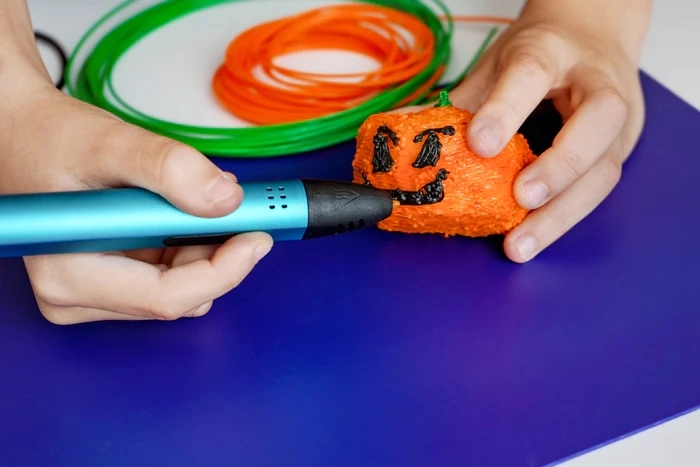
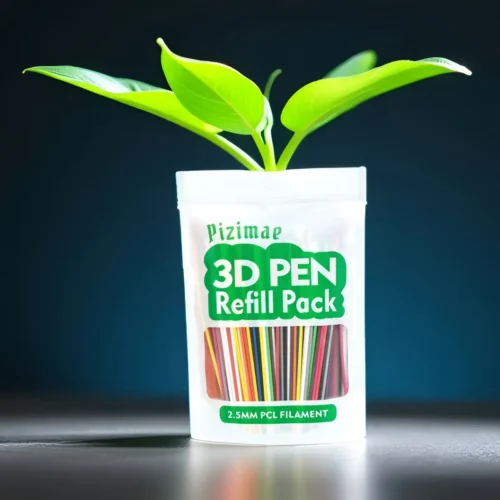
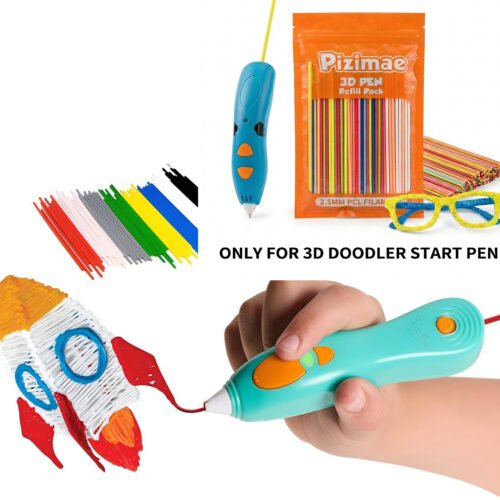
Have you always wanted to try your hand at creating 3D art? With Pizimae’s 3D engraving tools, you can achieve this goal.
With Pizimae’s 3D brushes, you can improve your skills through games. For example, spatial thinking, skills, 3D pen can train your patience and creativity. All of these advantages enable you to think about abstract things or problems.
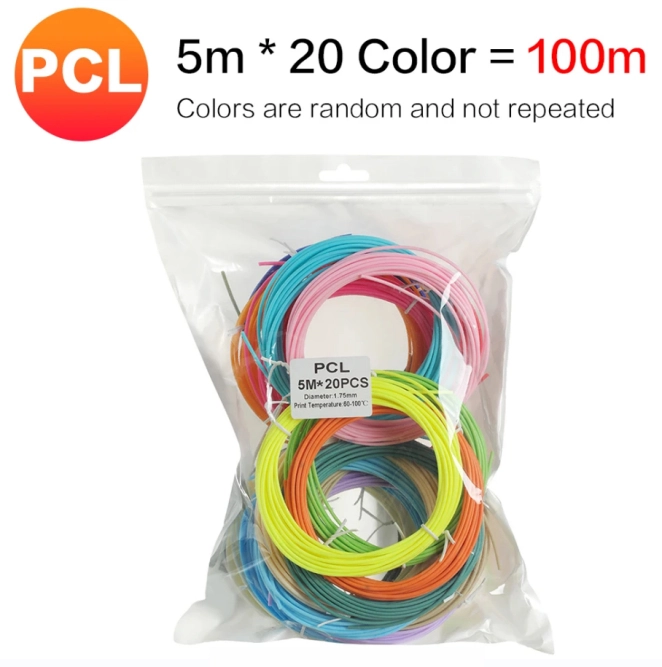
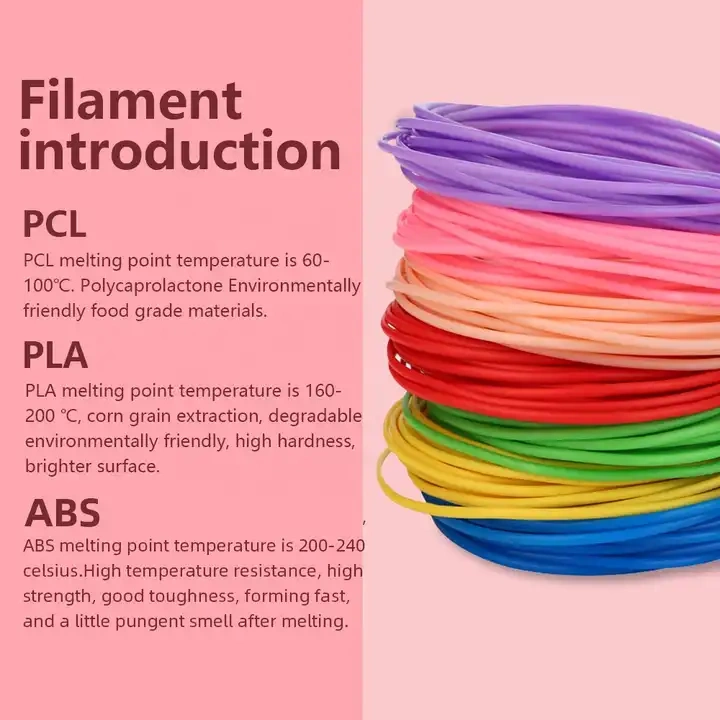
PCL filaments are a natural product non-toxic and odorless, they are biodegradable.
Bring Your Creations to Life
Transform your 3D printing experience with our premium 3D printing pen consumables. Designed with impeccable quality, these materials are tailored for hobbyists, artists, and professionals alike. Whether you’re crafting intricate designs or building prototypes, our consumables make it easier to bring your ideas to life with precision and reliability.
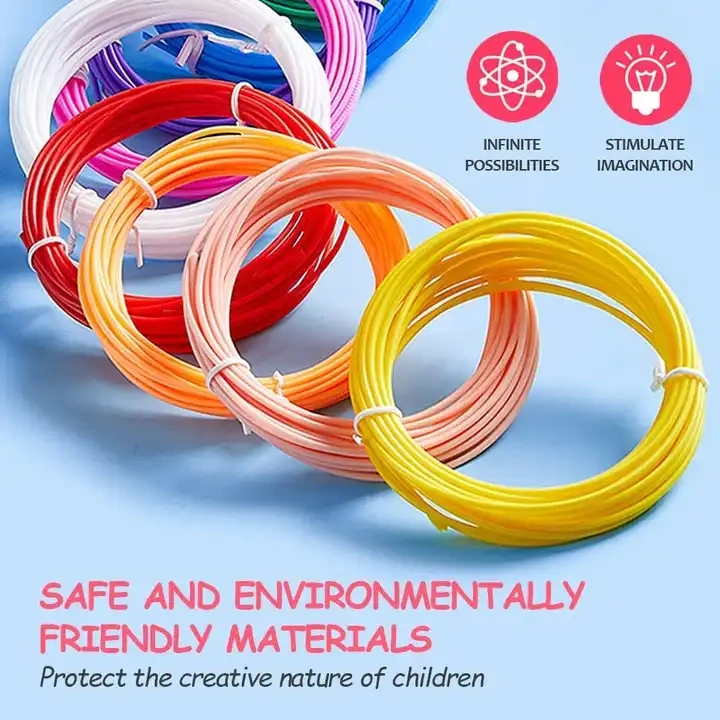
Safe and Eco-Friendly Materials
Safety and environmental responsibility are at the heart of our product design. Our 3D printing pen consumables are non-toxic and tasteless, ensuring a safe and pleasant experience for both adults and children. Free from harsh chemicals, these materials are designed to prioritize your health while reducing the environmental impact, making them an eco-conscious choice for every creator.
Vibrant Colors for Limitless Creativity
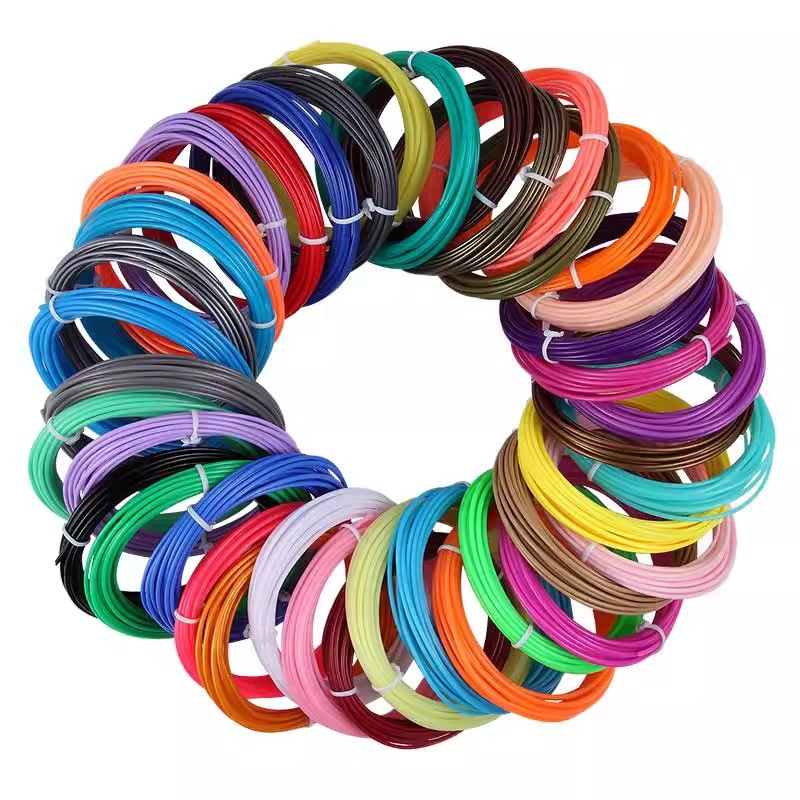
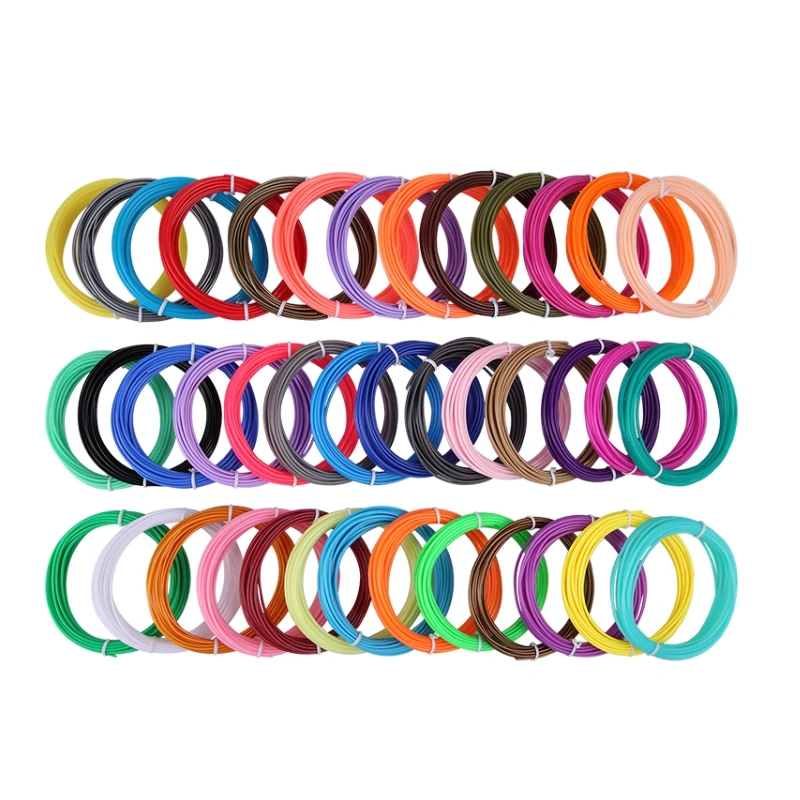
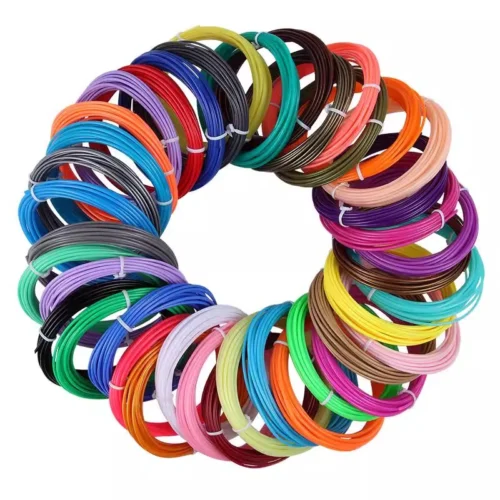
Unleash your creativity with a wide range of rich, vibrant colors. From bold primary shades to subtle hues, our consumables allow you to experiment with endless design possibilities. Whether you’re crafting intricate art pieces or functional prototypes, the variety of colors ensures that your creations will stand out with brilliance and clarity.
Achieve Quality and Durability
Our 3D printing consumables are engineered to deliver consistent results while ensuring durability in every project. The materials are designed for smooth extrusion, minimal clogging, and excellent adhesion. This guarantees a seamless experience and high-quality finished pieces that last longer and maintain their appeal over time.
Take your art, hobbies, or professional projects to new heights with our 3D printing pen consumables. Safe, colorful, and built for superior results, they’re perfect for creators who value precision, safety, and vibrant creativity. Get yours today and start bringing your ideas to life in ways you never imagined!
FAQ About PCL 3D PEN FILAMENT:
1. What is PCL filament?
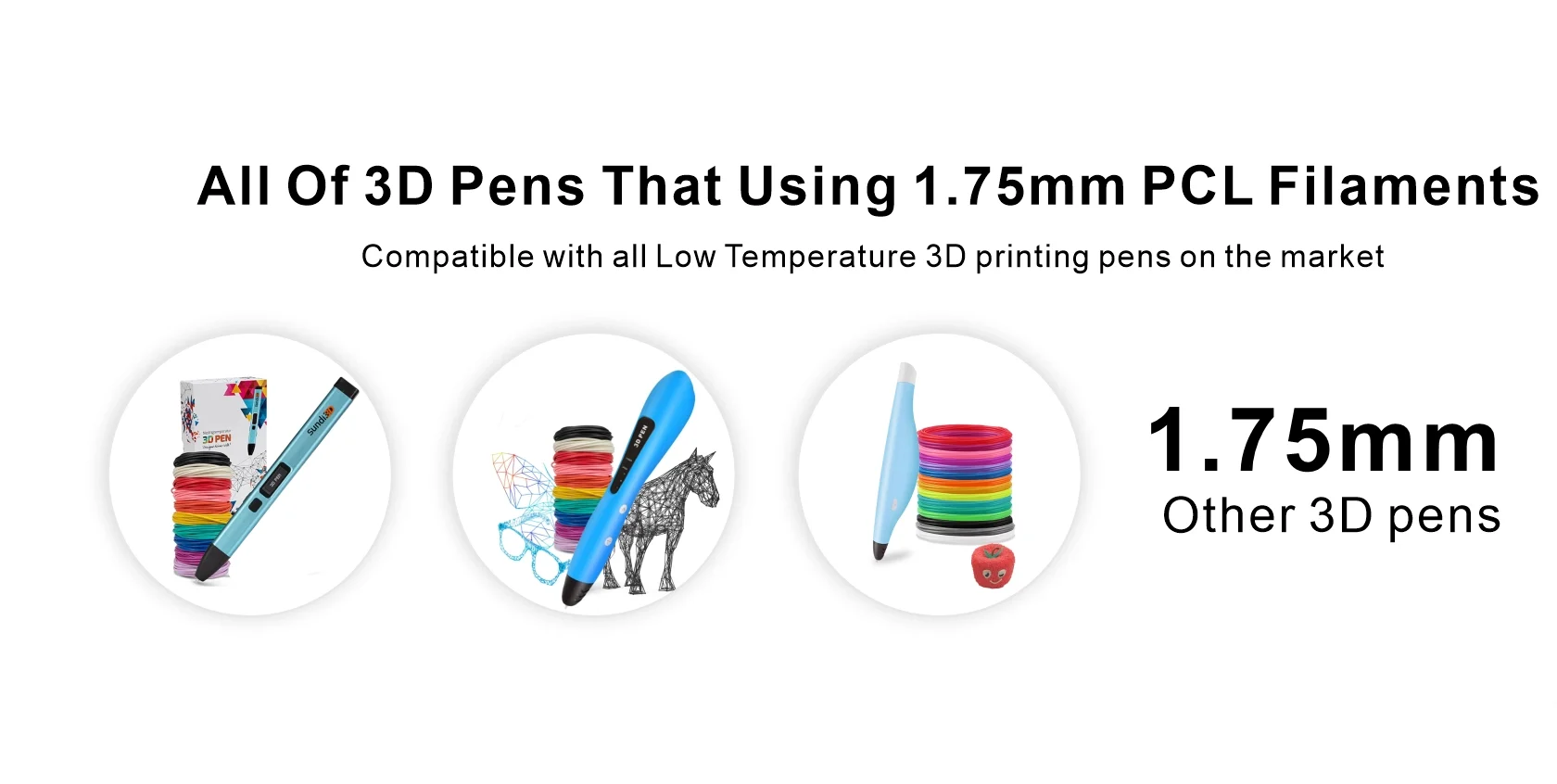
PCL (Polycaprolactone) is a biodegradable thermoplastic material that is often used in 3D printing, particularly for 3D pens. It is known for being safe to use due to its low melting point, making it ideal for beginners, kids, and educational purposes.
2. What are the properties of PCL filament?
-
Low Melting Point: PCL filament melts at around 60°C (140°F), which is much lower than other common filaments like PLA or ABS.
-
Biodegradable: PCL is environmentally friendly, as it decomposes over time in composting conditions.
-
Flexible: The material has a degree of flexibility and can be bent or manipulated without cracking.
-
Safe to Use: Due to its low melting temperature, it’s safe to handle, making it suitable for younger users and classrooms.
3. How does PCL 3D pen filament compare to other filaments?
-
PLA vs PCL: PLA has a higher melting point than PCL, making it harder to use in pens that operate at lower temperatures. PCL, being more flexible and safer, is often preferred for applications where ease of use is crucial.
-
ABS vs PCL: ABS requires higher temperatures and is more prone to warping. PCL, on the other hand, is more user-friendly due to its low temperature requirements.
4. Is PCL filament safe for children?
Yes! PCL filament is one of the safest filaments for children and beginners due to its low melting point. It is also non-toxic and biodegradable, making it an ideal choice for educational environments.
5. What temperature does PCL filament melt at?
PCL filament has a relatively low melting temperature of around 60°C (140°F), making it safe to use with 3D pens that have temperature control settings starting at around 50-60°C.
6. What are the common uses of PCL filament in 3D pens?
-
Crafting & Art: It’s commonly used for creating small sculptures, jewelry, and models.
-
Repairs: Due to its low temperature, PCL is often used for small repairs, especially on plastic items.
-
Prototyping: PCL is used in rapid prototyping for creating quick, simple models.
-
Educational Projects: It’s an excellent material for teaching students about 3D modeling and design.
7. Can PCL filament be used with regular 3D printers?
Yes, PCL filament can be used in 3D printers that support low-temperature extruders. However, most common 3D printers are designed to handle higher-temperature filaments like PLA, ABS, or PETG, so it is important to ensure your printer can reach and maintain the necessary low temperatures.
8. How do I store PCL filament?
PCL filament should be stored in a cool, dry place, away from direct sunlight. It is sensitive to moisture, so using a sealed bag or a filament container with desiccants can help maintain the filament’s quality over time.
9. Does PCL filament need a heated bed?
No, PCL filament does not require a heated bed. The material adheres well to regular print surfaces such as tape, glass, or non-heated beds, making it convenient for users without heated bed functionality.
10. Can I paint or modify objects made from PCL filament?
Yes! Since PCL is biodegradable and relatively soft, you can easily sand, paint, or modify objects made from this filament. After 3D printing, you can add details or finish your projects with paint or other craft materials.
11. How do I prevent PCL filament from warping?
PCL filament has minimal warping tendencies, but using it in a draft-free area and on a clean, smooth surface can help achieve better adhesion. Ensure that your 3D pen or printer is set to the correct low temperature to avoid unnecessary stress on the material.
12. Can PCL filament be recycled?
Yes, PCL is a recyclable material. Being biodegradable, it can break down naturally under certain conditions, such as in composting environments, but it’s also possible to recycle and reuse PCL filament for new prints.
13. What colors are available in PCL filament?
PCL filament is available in a wide variety of colors, including but not limited to:
-
Bright colors (e.g., red, blue, yellow)
-
Pastels
-
Neon
-
Glow-in-the-dark options
-
Transparent and opaque colors
14. What is the best way to use PCL filament in a 3D pen?
-
Ensure the temperature of your 3D pen is set to around 60°C to prevent overheating the filament.
-
Always clean the nozzle of your 3D pen after use to avoid clogs.
-
Work in a well-ventilated area to ensure safety, even though PCL is non-toxic.
-
Use a stable hand and steady movement when drawing with the filament, as PCL can be more flexible and easier to manipulate compared to higher-melting materials.
15. Does PCL filament emit fumes while melting?
PCL filament is known for emitting very little odor compared to other filaments like ABS. While it is considered non-toxic, it’s still a good idea to use it in a well-ventilated area, especially if you’re printing or crafting for extended periods.
Let me know if you need more specific information about PCL filament or its applications!
Reviews
There are no reviews yet.